
About Eastmallbuy Spreadsheet
Click the images below to browse!









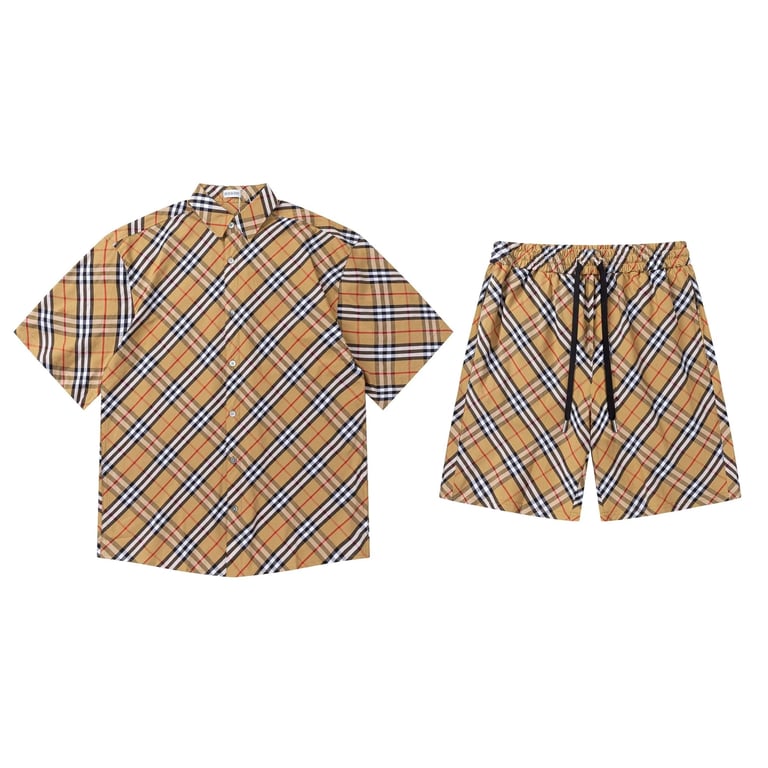
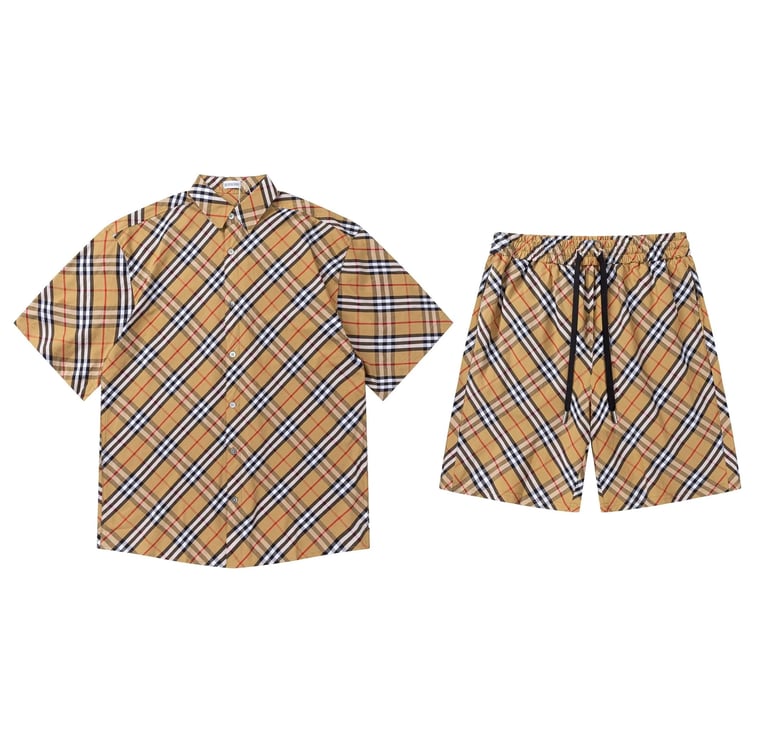


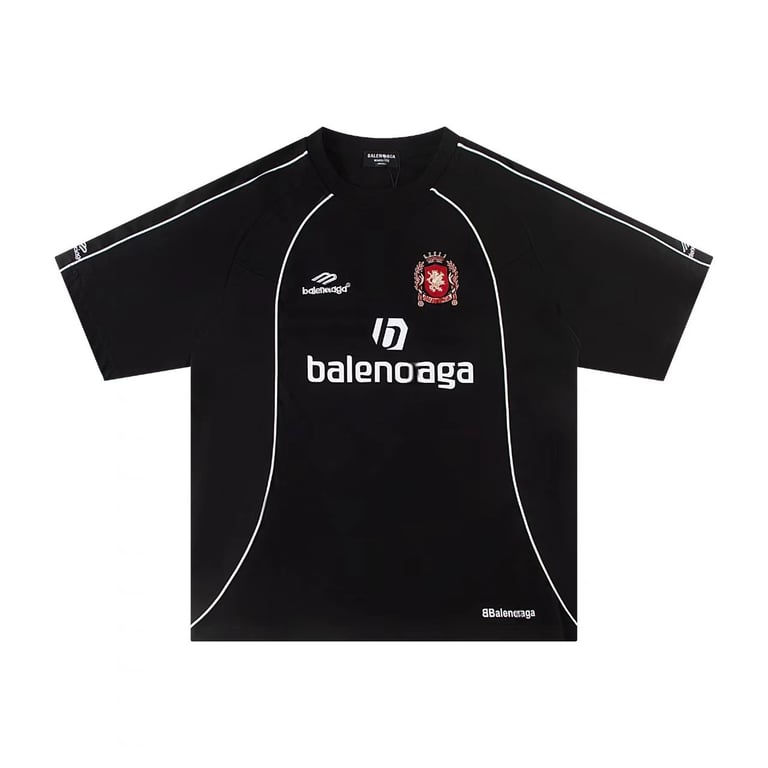
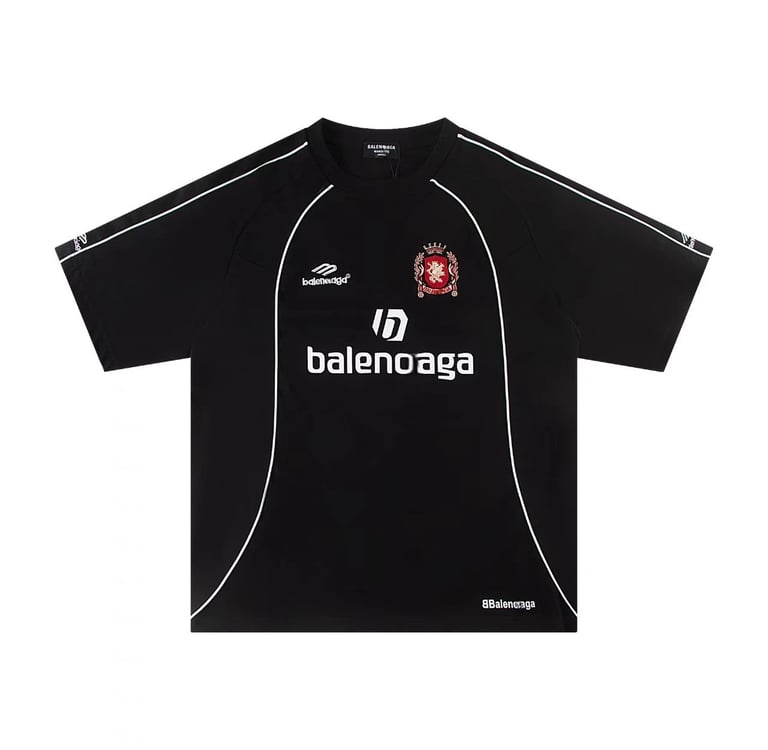



🌐 How Eastmallbuy spreadsheet enhancing clarity in international shopping behavior|behavior mapping + product evaluation + decision structure
🧭 Introduction
International shopping behavior is often shaped by fragmented information environments where users must interpret product data, reviews, and pricing signals across multiple platforms with inconsistent standards. This creates uncertainty in how products should be evaluated and compared, especially in cross-border contexts where cultural and platform differences further amplify interpretation gaps.
The Eastmallbuy spreadsheet introduces a structured behavior mapping layer that organizes these fragmented signals into consistent decision frameworks. It helps stabilize how users interpret product information across international markets, while Eastmallbuy links provide structured entry points into organized product environments that reduce navigation randomness.
This enables a more predictable interaction environment for global shopping behavior.
🌍 1. International shopping behavior differences in real usage scenarios
In real shopping situations, users from different regions approach the same product in different ways. Some prioritize price efficiency, while others focus on durability, brand trust, or visual presentation.
Typical scenario differences include:
A user comparing price across multiple tabs without standardized reference points
Another user relying heavily on fragmented review sections
Users switching platforms mid-decision due to unclear product interpretation
Cross-border buyers re-evaluating the same product multiple times
The Eastmallbuy spreadsheet is introduced into these scenarios as a stabilizing structure that reduces interpretation inconsistency during active browsing.
🧩 2. Product evaluation breakdown in fragmented browsing environments
During actual browsing sessions, product evaluation rarely follows a linear path. Users move back and forth between specifications, reviews, and visual comparisons, often without a fixed evaluation framework.
This leads to situations such as:
Revisiting the same product due to unclear comparison criteria
Conflicting impressions between different supplier listings
Difficulty aligning qualitative and quantitative information
Reconstructing evaluation logic repeatedly during browsing
The spreadsheet structure intervenes by keeping evaluation dimensions visually and logically aligned across products in the same browsing session.
🔄 3. Behavior mapping during active decision-making flow
Behavior mapping in this context occurs while users are actively making decisions, not after the fact. It observes how users naturally move through comparison loops and aligns product structure accordingly.
In real use:
Users compare multiple similar items within a single session
Evaluation criteria shift depending on available information
Decision paths loop between browsing and re-checking
Final selection emerges from repeated exposure rather than linear analysis
The Eastmallbuy spreadsheet embeds structure into this flow, reducing randomness in how users switch between comparison points.
📉 4. From fragmented interpretation to structured interaction in real time
In unstructured shopping environments, users continuously reinterpret product meaning at each step of browsing. This creates a pattern of interruption rather than progression.
During actual use scenarios, this appears as:
Switching between inconsistent product pages
Re-evaluating earlier options due to missing context
Losing comparison continuity during navigation
Delayed decisions caused by repeated reassessment
With structured support, the browsing experience becomes more continuous, as product relationships remain visible throughout interaction.
🧠 5. Behavioral structure emergence during cross-border shopping sessions
In real shopping behavior, structure is not something users actively design—it emerges from repeated interaction patterns when systems provide consistent reference points.
Observed behavior patterns include:
Gradual reduction in re-checking previously viewed products
Increased reliance on grouped comparison sets
Faster elimination of irrelevant options
More stable final decision points within browsing sessions
The Eastmallbuy spreadsheet functions as the environment where this structured behavior naturally forms during use.
🧾 Conclusion
In a typical cross-border shopping session, users do not consciously recognize when their evaluation logic changes. At the beginning of browsing, decisions are often fragmented, with repeated switching between products, tabs, and comparison points without a stable reference structure.
As the Eastmallbuy spreadsheet is introduced into this interaction flow, the browsing environment gradually shifts. Users begin to stay longer within grouped product sets, revisit fewer isolated listings, and rely more on structured comparison views rather than external search repetition. The decision process becomes less interrupted, not because fewer choices exist, but because the same choices are encountered within a more stable contextual frame.
By the end of the session, product selection no longer feels like a sequence of disconnected evaluations, but rather a continuous interaction within a single structured environment where comparison naturally resolves itself through maintained visibility.